
Applying for a new IESCO electricity connection with IESCO is an essential process for those moving into a new home, opening a business, or setting up industrial or agricultural operations.
Application Process
To begin the process of getting a new electricity connection from Islamabad Electric Supply Company, you need to follow a clear step-by-step procedure. Here’s how the application process works:
1- Prepare Required Documents
Before you start, make sure you have all the necessary documents ready. For a residential connection, you will need:
○ CNIC (copy of your National Identity Card)
○ Ownership proof (such as property tax receipt or allotment letter)
○ Permission letter (if you are living on rent)
○ Wiring contractor’s report (issued by a licensed electrician)
2- For Commercial, Industrial, or Agricultural Connections:
You will need to provide some additional documents, including:
○ Business registration documents (NTN certificate, license)
○ Site plan
○ Load estimate (the amount of electricity you require)
3- Submit Your Application
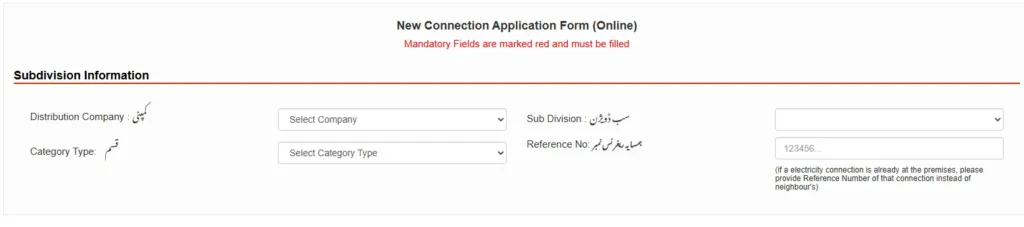
Once your documents are complete, submit your application at the nearest IESCO Sub-Division Office. You can also download the application form from the IESCO website.
4- Get an Application Tracking Number
After submitting the application, you will receive a tracking number. Keep it safe because you’ll need it to check your application status.
5- Site Survey and Verification
After submission, IESCO will carry out a site survey to verify the location and assess load requirements. This step ensures proper installation and compliance with IESCO rules.
6- Demand Notice
If everything is approved, IESCO will issue a demand notice. This includes connection charges, security deposit, and other applicable fees.
7- Payment
You need to pay the demand notice amount at a designated bank or IESCO office. Keep the paid slip as proof. After your connection is activated, you can pay your monthly bill using different methods like online banking, mobile apps, or e-wallets.
8- Meter Installation
Once your payment is confirmed, IESCO will install the meter. Most homes are given a single-phase meter, while industrial connections usually require a three-phase meter.
New IESCO New Electricity Connection Fee Connection for IESCO
The IESCO new connection fee includes multiple components like connection fees, security deposit, and meter installation costs. The total cost will depend on the type of connection you need, the length of the service line, and any additional work needed to install the meter. Here’s a breakdown of the most common fees:
1-Connection Fee
This fee covers the cost of setting up the service line and installing the meter. The connection fee can vary depending on the service line length and type of connection (residential, commercial, industrial).
2-Security Deposit
A security deposit is a refundable amount that IESCO collects based on your load requirement. The amount will be returned to you if you close your account and settle all dues. To understand how different load requirements and consumption slabs affect your electricity charges, refer to our comprehensive Tariff Guide.
3-Service Line Charges
If IESCO needs to install extra wiring or poles to connect your property, you will be charged service line charges. These charges will depend on the service line length and the complexity of installation.
4-Meter Cost
You will also need to pay for the meter. The cost depends on the type of meter:
● Single-phase Meter: Standard for residential and small commercial connections.
| Sr.No | Length of Service | Cost |
| 1 | Up to 20 meters | Rs. 8,500/- |
| 2 | Above 20 and up to 30 meters | Rs. 10,500/- |
| 3 | Above 30 and up to 40 meters | Rs. 11,500/- |
| 4 | Above 40 meters and up to 100 meters (with one span LT with Ant Conductor and one Pole, excluding Housing Societies | Rs. 11,000 + Rs. 800 per meter above 40 meters |
| 5 | Above 100 meters and up to 160 meters (with two span LT with Ant Conductor and two Poles, excluding Housing Societies) | Rs. 60,000 + Rs. 1000 per meter above 100 meters |
● Three-phase Meter: Used for high-load connections, such as industrial setups.
| Sr.No | Length of Service | Cost |
| 1 | Up to 20 meters | Rs. 36,500/- |
| 2 | Up to 30 meters | Rs. 43,000/- |
| 3 | Up to 40 meters | Rs. 50,000/- |
| 4 | Above 40 meters | Actual cost of LT Pole and allied material based on latest IESCO rates |
5-Additional Charges
- Underground Wiring: If you require underground wiring, this will incur additional charges.
- Special Equipment: For industrial or high-load connections, additional equipment or infrastructure might be required.
IESCO New Connection Processing Time
| Sr.No | Category | Days |
| 1 | Load (up to 15KW) | 30 Days |
| 2 | Load (above 15KW but not exceeding 70KW) | 53 Days |
| 3 | Load (above 70KW but not exceeding 500KW) | 73 Days |
| 4 | Load (above 500KW but not exceeding 5000KW) | 106 Days |
| 5 | All loads at 66KV and above | As per specific case |
Frequently Asked Question(FAQs)
How can I apply for an IESCO New Connection?
To apply for a new IESCO connection, visit the IESCO website or the nearest IESCO office. Fill out the required application form, provide the necessary documents such as your CNIC and ownership proof, and submit them for processing.
What documents do I need for an IESCO New Connection?
For a new IESCO connection, you will need the following documents:
● CNIC (Copy of your National Identity Card)
● Ownership proof (property tax receipt, allotment letter)
● Permission letter (if you are renting)
● Wiring contractor’s report (from a licensed electrician)
How long does it take to get an IESCO New Connection?
The time it takes to get an IESCO new connection depends on the type of connection and the completeness of your application. Generally, it can take between 2 to 4 weeks for residential connections. Industrial or commercial connections may take longer due to site surveys and additional requirements.
How much does an IESCO New Connection Cost?
The cost for a new IESCO connection includes the connection fee, security deposit, meter cost, and any additional service line charges. Costs vary based on the type of connection (e.g., residential, commercial, industrial) and the service line length.