During 2026, social media platforms in Pakistan were flooded with claims that the government had prohibited installing two electricity meters at the same residential property. These posts created anxiety among homeowners who already had multiple meters or were planning to apply for an additional one. Many feared cancellation of existing connections or rejection of new applications.
However, official clarification presents a different picture.
Electricity regulations in Pakistan fall under the supervision of the Power Division, working alongside the Water and Power Development Authority (WAPDA) and regional electricity distribution companies such as Lahore Electric Supply Company (LESCO) and Islamabad Electric Supply Company (IESCO). These institutions are responsible for issuing and enforcing electricity-related policies across the country.
Where Did the Confusion Start?
The confusion began when various online posts suggested that:
- Homes would be restricted to only one electricity meter.
- Second meters would be removed.
- New applications for additional meters would automatically be rejected.
These statements were widely shared without verification, causing unnecessary concern. In response, the Power Division publicly denied the existence of any complete ban. Officials confirmed that no nationwide restriction had been introduced preventing consumers from obtaining more than one meter.
Authorities also cautioned that circulating false or misleading information may fall under Pakistan’s electronic crime regulations.
What Is the Actual Rule in 2026?
There is no blanket prohibition on multiple electricity meters at one property. However, approval depends on compliance with specific structural and legal requirements.
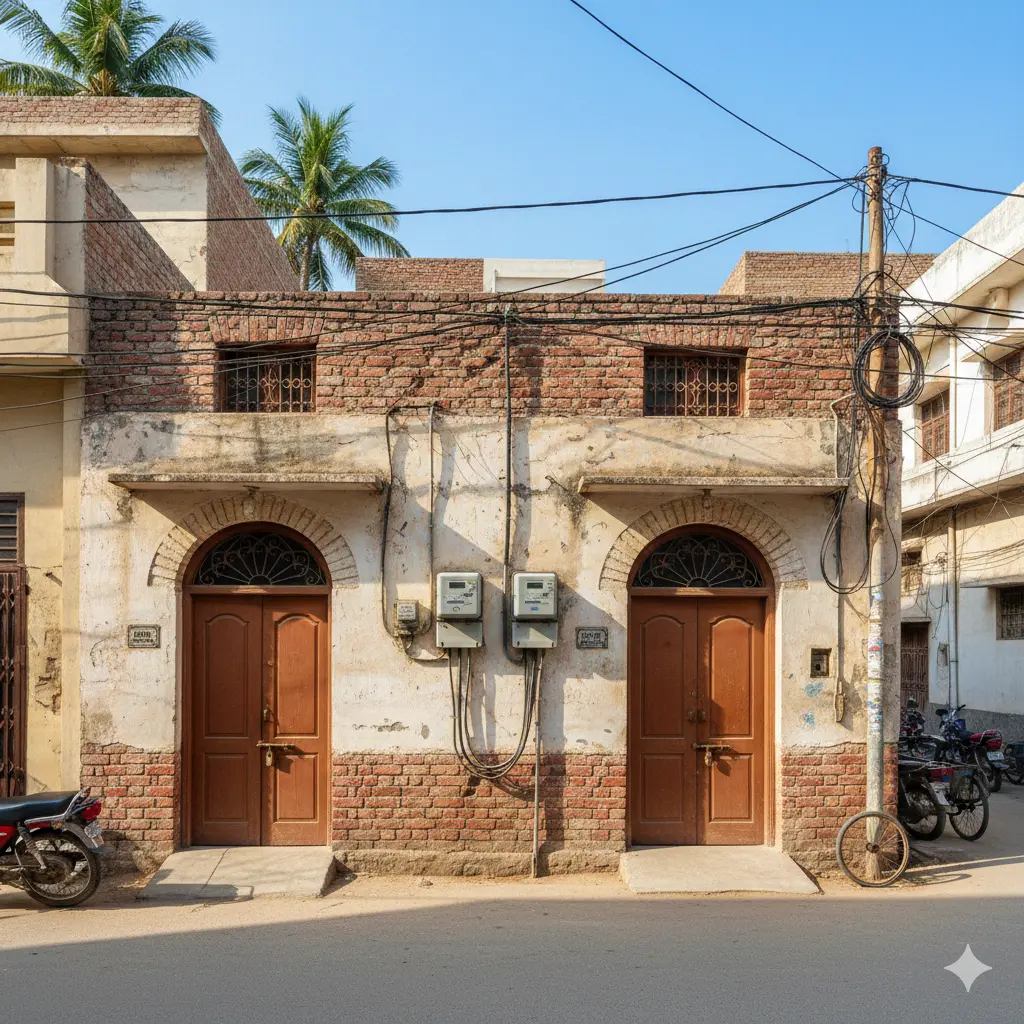
An additional meter may be approved if the property genuinely contains separate residential units. The purpose is to ensure fairness and prevent misuse of subsidized electricity tariffs.
Conditions Required for a Second Meter
To qualify for an extra meter, the following conditions generally apply:
1. Distinct Residential Portion
The building must have a clearly independent living area — such as a separate floor, flat, or unit — functioning as a separate household.
2. Independent Access
Each unit must have its own entrance and exit. Shared doorways or common access points may result in rejection.
3. Separate Kitchen Facility
The additional portion should include its own kitchen. A common kitchen arrangement usually does not meet the requirement.
4. Independent Electrical Wiring
Wiring systems must be separate and not interconnected. Each meter should accurately measure the electricity consumption of its respective portion only.
If these conditions are fulfilled, the applicant may submit a request to the relevant DISCO.
Documentation Typically Required
Applicants are normally required to provide:
- Copy of CNIC
- Ownership documents or rental agreement
- Affidavit confirming separate residence
- Building layout (if requested)
The concerned electricity company conducts a site inspection before granting final approval.
Why Were These Rules Emphasized?
Pakistan’s electricity tariff structure includes subsidized slabs for low-consumption households. Some individuals previously installed multiple meters within a single residence to artificially divide their electricity usage. This practice allowed them to remain within lower tariff slabs and benefit from subsidies unfairly.
Such misuse impacts government resources and reduces relief available for genuinely deserving families. The clarified policy aims to prevent exploitation while still permitting legitimate separate connections.
Is It Still Possible to Apply in 2026?
Yes. Consumers can apply for more than one meter if their property genuinely qualifies under the defined criteria. The current framework permits multiple connections for legally separate living portions.
Applications may be declined if:
- Structural separation is not genuine
- Required documentation is incomplete
- Inspection findings do not match submitted claims
Where all requirements are met, separate meters and individual billing remain permissible.
Important Points to Remember
- There is no nationwide ban restricting houses to only one electricity meter.
- Additional meters are allowed when structural separation is genuine.
- The policy aims to protect the electricity subsidy system from misuse.
- Spreading incorrect information may carry legal consequences.
Conclusion
The 2026 clarification regarding electricity meters confirms that households in Pakistan can legally maintain more than one meter — provided the property contains properly separated residential units and all procedural requirements are satisfied.
If you are considering applying for a second meter, ensure your property includes an independent portion with its own entrance, kitchen, and wiring system. Prepare all required documents and cooperate during inspection. When used lawfully, the system supports fair billing while safeguarding subsidies for those who truly need them.